

How a Leading Food Manufacturer Diverted 588 Tons of Waste and Generated Sustainable Energy
Client Overview
The client is a global food and beverage leader, producing iconic brands across an extensive network of facilities. With a strong focus on sustainability, the company is committed to reducing its environmental footprint while optimizing operations.
The Challenge
The company faced two key challenges:
- Rising Waste Costs: High costs associated with waste disposal and inefficient waste management processes.
- Environmental Impact: Large amounts of waste were sent to landfills, contributing to negative environmental effects.
The Solution: Waste-to-Energy Program
LJP Waste Solutions designed and implemented a Zero Landfill strategy specifically tailored to the client’s operational needs:
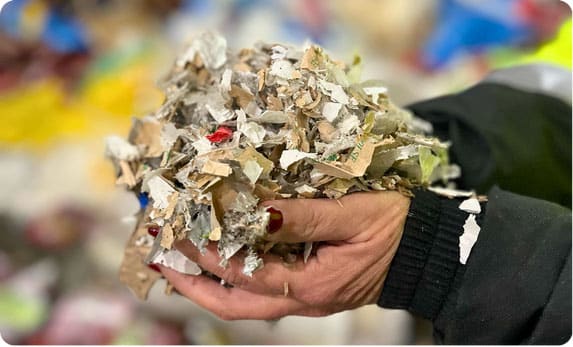
- Material Diversion Strategy: Introduced structured recycling systems to efficiently manage cardboard and plastic waste generated during food manufacturing.
- Energy Recovery Process: Non-recyclable materials were converted into energy, contributing to more sustainable operations.
- Ongoing Monitoring: A continuous monitoring and reporting system to track progress and optimize efforts.
Implementation Process
- Initial Assessment: LJP Waste Solutions conducted a comprehensive assessment of the client’s waste management practices to identify inefficiencies and areas for improvement.
- System Design: A custom recycling and energy recovery system was developed to meet the company’s needs.
- Installation and Integration: The solution was integrated with minimal disruption to operations.
- Training and Support: Employees were trained on operating and maintaining the new waste management system effectively.
Key Results & Measurable Impact
- 588 Tons Diverted: A total of 588 tons of waste were successfully diverted from landfills.
- Energy Savings: 50,511 kWh of energy was conserved through the waste-to-energy conversion process.
- Environmental Savings: 530 trees and 218,470 gallons of water were saved, demonstrating significant preservation of natural resources.
- Landfill Space Saved: The program preserved 49 cubic yards of landfill space, contributing to long-term sustainability.
Lessons Learned & Takeaways
- Waste-to-Energy is Transformative: The conversion of waste into energy reduces reliance on landfills while generating sustainable energy.
- Recycling Brings Both Financial and Environmental Benefits: Structured recycling programs can yield significant cost savings and enhance environmental performance.
- Continuous Monitoring Ensures Ongoing Success: Regular monitoring and optimization are essential for maintaining performance and improving sustainability outcomes.